
2026 Mitsubishi Service: How Does a Brake Service Inspection Work?
2026 Mitsubishi Service: How Does a Brake Service Inspection Work?
Posted on July 27, 2026
A brake service inspection on a Mitsubishi vehicle is a systematic evaluation of the braking system's mechanical, hydraulic, and electronic components. Technicians inspect brake pads, brake rotors, brake callipers, brake fluid condition, hydraulic circuits, Anti-Lock Braking System (ABS) components, electronic brake controls, and wear indicators to determine whether the system is operating within manufacturer specifications.
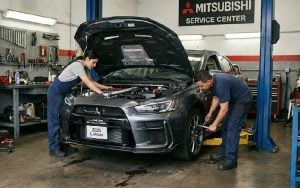
Mitsubishi Service
The purpose of the inspection is not simply to identify worn brake components. It is also designed to evaluate braking performance, verify system integrity, detect uneven wear patterns, identify hydraulic concerns, and assess the condition of electronic brake-related systems.
Because Mitsubishi vehicles are frequently operated in Canadian environments that include snow, ice, road salt, moisture, and significant temperature fluctuations, brake inspections often include additional attention to corrosion-related concerns and winter operating conditions.
2026 Mitsubishi Service Core Components
A brake inspection begins with understanding the primary components that make up the braking system.
Brake Pads
Brake pads are friction materials that press against the brake rotor to create the force needed to slow or stop the vehicle. When the driver applies the brake pedal, hydraulic pressure causes the brake pads to contact the rotor surface.
During inspection, technicians evaluate:
- Remaining friction material thickness
- Wear consistency
- Surface condition
- Heat-related damage
- Uneven wear patterns
Pad thickness is one of the most important measurements obtained during a brake inspection.
Brake Rotors
Brake rotors are rotating metal discs attached to the wheel hubs that provide the friction surface for the brake pads. As brake pads contact the rotors, kinetic energy is converted into heat.
Technicians inspect rotors for:
- Surface condition
- Thickness measurements
- Heat spotting
- Cracking
- Excessive corrosion
- Uneven wear
Rotor condition directly influences braking smoothness and effectiveness.
Brake Calipers
Brake callipers are hydraulic assemblies that apply force to the brake pads during braking. The calliper converts hydraulic pressure into mechanical clamping force.
Inspection procedures may include evaluation of:
- Caliper movement
- Mounting hardware
- Guide pins
- Seals
- Corrosion levels
- Fluid leakage
Proper calliper operation is necessary for even braking performance.
Brake Fluid
Brake fluid is a hydraulic fluid that transfers force from the brake pedal to the braking components. Brake fluid operates under high pressure and elevated temperatures.
Technicians evaluate:
- Fluid level
- Fluid condition
- Contamination
- Moisture content
- Colour changes
Brake fluid quality is important because excessive moisture can influence hydraulic performance.
Hydraulic System
The hydraulic brake system consists of components that transmit braking force through pressurized fluid.
Major hydraulic components include:
- Brake lines
- Flexible hoses
- Master cylinder
- Calipers
- Hydraulic control units
Inspection focuses on system integrity and fluid containment.
ABS Components
The Anti-Lock Braking System is an electronic braking technology that helps prevent wheel lockup during heavy braking.
The ABS system uses:
- Wheel-speed sensors
- Hydraulic control units
- Electronic control modules
Technicians verify that ABS-related components are functioning properly and that no system faults are present.
Electronic Brake Controls
Electronic brake controls are computer-managed systems that coordinate braking-related functions throughout the vehicle.
These systems may interact with:
- ABS
- Traction control
- Stability control
- Electronic parking brake systems
Brake inspections often include electronic diagnostic evaluations.
Wear Indicators
Brake wear indicators are devices designed to alert drivers when brake-pad replacement may be approaching.
Depending on vehicle configuration, wear indicators may be:
- Mechanical
- Electronic
- Sensor-based
Inspection verifies indicator operation and remaining service life.
Diagnostics Guide
Brake inspections involve both visual evaluation and diagnostic testing.
Initial Visual Inspection
The first step typically involves examining visible brake components.
Technicians may inspect:
- Brake pad thickness
- Rotor surfaces
- Caliper condition
- Hydraulic lines
- Brake hoses
This initial review helps identify obvious wear or damage.
Brake Pad Measurement
Pad thickness is measured and compared against service specifications.
Measurements help determine:
- Current condition
- Remaining service life
- Wear uniformity
Uneven pad wear may indicate additional system concerns that require investigation.
Rotor Evaluation
Rotor inspections focus on:
- Thickness
- Surface quality
- Corrosion
- Structural integrity
Canadian winter conditions can influence rotor surface condition due to exposure to moisture and road-treatment materials. Technicians determine whether rotor condition remains within acceptable service limits.
Hydraulic System Inspection
The hydraulic system is evaluated for evidence of:
- Fluid leakage
- Hose deterioration
- Corrosion
- Component wear
Any reduction in hydraulic integrity can affect braking performance.
Brake Fluid Analysis
Brake fluid absorbs moisture over time.
Inspection may include evaluation of:
- Fluid appearance
- Contamination levels
- Moisture content
Fluid condition helps technicians determine whether service may be beneficial.
ABS Diagnostic Evaluation
Modern Mitsubishi vehicles rely heavily on electronic braking systems.
Technicians may use diagnostic equipment to review:
- ABS fault codes
- Wheel-speed sensor data
- Hydraulic control module information
- System communication status
This process helps identify concerns that may not be visible during a physical inspection.
Electronic Brake System Verification
Vehicles equipped with advanced braking technologies often require additional electronic evaluation.
Technicians verify:
- Stability-control operation
- Electronic parking brake functionality
- Sensor communication
- System calibration
Electronic diagnostics play an increasingly important role in modern brake inspections.
Maintenance Guide
How Technicians Determine Service Requirements
Brake service recommendations are based on measurable conditions rather than mileage alone.
Technicians evaluate:
- Brake pad thickness
- Rotor condition
- Fluid quality
- Hydraulic-system integrity
- Electronic-system status
The objective is to determine whether components remain within service specifications.
Winter-Related Brake Concerns
Canadian operating conditions create unique challenges for braking systems.
Common environmental influences include:
- Road salt exposure
- Moisture accumulation
- Snow and slush contact
- Freeze-thaw cycles
These conditions can affect:
- Rotor surfaces
- Caliper movement
- Hardware condition
- Hydraulic component longevity
As a result, winter-related inspections often receive special attention during Mitsubishi brake service procedures.
Corrosion Monitoring
Brake systems are exposed directly to the environment.
Technicians may inspect:
- Caliper brackets
- Mounting hardware
- Rotor surfaces
- Brake-line condition
Monitoring corrosion helps identify conditions that could eventually affect braking performance.
Wear Pattern Analysis
Wear patterns provide valuable diagnostic information.
Examples include:
- Inner-pad wear
- Outer-pad wear
- Tapered wear
- Uneven rotor contact
These patterns help technicians determine whether the braking system is functioning evenly.
Electronic System Maintenance
Modern Mitsubishi vehicles integrate braking systems with multiple electronic controls.
Routine inspections may include:
- Sensor verification
- Module communication checks
- Software-related diagnostics
- Warning-light evaluation
Electronic-system health is increasingly important in overall brake-system performance.
Why Regular Brake Inspections Matter
Braking systems operate continuously under varying loads and environmental conditions.
Regular inspections help identify:
- Wear progression
- Fluid degradation
- Electronic concerns
- Corrosion development
- Component deterioration
This allows service requirements to be determined based on actual system condition rather than assumptions.
Owners visiting Scarborough Mitsubishi for brake inspections may have both mechanical and electronic braking systems evaluated using manufacturer-approved procedures. Similarly, technicians at Scarborough Mitsubishi may review ABS operation, hydraulic-system condition, and brake wear measurements when preparing brake-service recommendations.
FAQ
1. What components are inspected during a Mitsubishi brake service inspection?
Technicians typically inspect brake pads, brake rotors, brake callipers, brake fluid, hydraulic components, ABS systems, electronic brake controls, and wear indicators.
2. How do technicians determine if brake pads require replacement?
Brake pad thickness is measured and compared against service specifications, while also evaluating wear patterns and overall condition.
3. Why is brake fluid inspected?
Brake fluid transfers hydraulic pressure throughout the braking system. Its condition, moisture content, and contamination level influence braking performance.
4. Are ABS components included in a brake inspection?
Yes. Wheel-speed sensors, control modules, and ABS-related diagnostic information are often reviewed as part of a comprehensive brake inspection.
5. How does Canadian winter weather affect brake inspections?
Snow, moisture, road salt, and temperature fluctuations can influence rotor condition, calliper movement, hydraulic components, and overall brake-system wear, making winter-related inspection especially important.
*Disclaimer: Content contained in this post is for informational purposes only and may include features and options from US or internacional models. Please contact the dealership for more information or to confirm vehicle, feature availability.*
Mitsubishi Service Maintenance