
2026 Mitsubishi Service: What Service to Do in Summer?
2026 Mitsubishi Service: What Service to Do in Summer?
Posted on June 22, 2026
Summer driving conditions can impose different types of stress on vehicle systems than winter operation. Higher ambient temperatures, longer highway trips, increased air-conditioning use, and seasonal road conditions all affect how certain components perform over time.
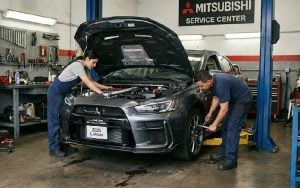
Mitsubishi Service
For new Mitsubishi vehicles sold in Canada, summer service typically focuses on cooling system performance, tire condition, brake operation, battery stability, fluid levels, climate control efficiency, and seasonal wear evaluation. Proper summer maintenance helps maintain vehicle reliability, thermal stability, and overall operating efficiency during warmer conditions.
Why Summer Service Matters
Vehicle systems experience different operating conditions during the summer months compared with those during winter.
Higher temperatures increase thermal load on:
- engines
- cooling systems
- air-conditioning systems
- batteries
- tires
- transmission components
Longer driving distances during summer can also increase wear on:
- brakes
- suspension components
- tires
- fluids
In Canada, summer service inspections often follow winter exposure to:
- road salt
- freezing temperatures
- snow
- moisture accumulation
This seasonal transition makes summer inspection important for identifying wear or corrosion that may have developed during winter driving.
Cooling System Inspection
Engine Cooling Performance
One of the most important summer service areas is the engine cooling system.
During warm-weather driving, the cooling system must manage increased thermal demand caused by:
- higher ambient temperatures
- traffic congestion
- towing operation
- air-conditioning use
- highway driving
The cooling system includes:
- radiator
- coolant pump
- thermostat
- cooling fans
- coolant hoses
- expansion reservoir
Technicians may inspect:
- coolant condition
- coolant concentration
- hose integrity
- radiator airflow
- cooling-fan operation
Maintaining proper coolant circulation helps regulate engine operating temperature under high-load conditions.
Coolant Condition
Modern Mitsubishi cooling systems use long-life coolant formulations designed to:
- resist corrosion
- stabilize operating temperatures
- prevent freezing
- raise boiling resistance
However, coolant condition can still deteriorate due to:
- thermal cycling
- contamination
- aging additives
Summer inspections often include coolant level verification and visual inspections for leaks or discoloration.
Air Conditioning System Service
Climate-Control Performance
Air-conditioning systems experience peak demand during summer operation.
The HVAC system must manage:
- cabin cooling
- humidity reduction
- airflow distribution
- thermal comfort
Air-conditioning inspections may include evaluation of:
- refrigerant system performance
- blower operation
- cabin airflow
- condenser condition
- cabin air filter condition
Reduced cooling performance can result from:
- low refrigerant levels
- restricted airflow
- clogged filters
- condenser blockage
Cabin Air Filter Inspection
The cabin air filter helps prevent:
- dust
- pollen
- debris
A restricted cabin filter may reduce:
- airflow efficiency
- cooling performance
- windshield defogging effectiveness
Summer service intervals often include a cabin air filter inspection because warmer weather increases HVAC use.
Tire Inspection and Pressure Adjustment
Summer Temperature Effects on Tire Pressure
Tire pressure changes significantly with temperature variation.
As ambient temperatures rise:
- tire pressure increases
- Internal air expansion occurs
Improper tire pressure can affect:
- handling stability
- braking distance
- tire wear
- fuel efficiency
Summer service inspections commonly include:
- tire pressure adjustment
- tread-depth measurement
- sidewall inspection
- tire wear evaluation
Winter Tire Removal Considerations
Many Canadian drivers switch from winter tires to all-season or summer tires during warmer months.
During seasonal tire changes, technicians may inspect:
- wheel balance
- tire condition
- TPMS sensor operation
- wheel corrosion
Winter tires are generally designed for colder operating temperatures and may wear more quickly during sustained warm-weather driving.
Brake System Inspection
Brake Wear Evaluation
Brake systems may accumulate wear during winter operation due to:
- moisture exposure
- corrosion
- road salt
- temperature cycling
Summer service inspections often include:
- brake pad thickness measurement
- rotor inspection
- caliper evaluation
- brake-fluid condition checks
Warm-weather driving can increase brake temperatures during:
- highway travel
- mountain driving
- towing operation
- stop-and-go traffic
Brake Fluid Condition
Brake fluid absorbs moisture over time.
Excessive moisture contamination may reduce:
- boiling resistance
- braking consistency
- hydraulic performance
Summer inspections may include analysis of brake fluid condition because elevated temperatures place greater thermal demand on hydraulic braking systems.
Battery and Charging System Inspection
High-Temperature Battery Stress
Although cold weather affects starting performance, high temperatures can also place stress on automotive batteries.
Summer heat may accelerate:
- internal battery degradation
- electrolyte evaporation
- charging instability
Battery inspections may include:
- voltage testing
- charging-system evaluation
- terminal-condition inspection
- corrosion checks
Charging System Performance
The alternator and charging system must support:
- air-conditioning operation
- cooling fans
- electronic systems
- lighting systems
Electrical-system testing helps verify charging stability under load conditions.
Engine Oil and Fluid Inspection
Oil Condition Monitoring
Engine oil experiences thermal stress during summer operation.
High temperatures can affect:
- oil viscosity
- lubrication stability
- oxidation resistance
Oil inspections may include:
- oil-level verification
- oil-condition evaluation
- leak inspection
Modern synthetic oils are engineered to maintain stable lubrication under elevated temperatures, but service intervals remain important for long-term engine protection.
Additional Fluid Checks
Summer service inspections may also include:
- transmission fluid inspection
- windshield washer fluid refill
- coolant inspection
- differential fluid inspection, where applicable
Fluid condition affects:
- heat transfer
- lubrication quality
- drivetrain durability
Suspension and Steering Inspection
Winter Wear Evaluation
Suspension systems may experience additional wear during winter due to:
- potholes
- frozen road surfaces
- road salt exposure
- thermal contraction
Summer service inspections may evaluate:
- shock absorbers
- suspension bushings
- steering components
- wheel alignment
- stabilizer links
Alignment Verification
Improper wheel alignment may develop from:
- pothole impacts
- winter road conditions
- suspension wear
Alignment irregularities can affect:
- tire wear
- steering stability
- highway tracking
Summer highway travel increases the importance of stable alignment and steering behaviour.
Windshield Wiper and Washer Inspection
Summer Visibility Requirements
Wiper systems remain important during summer because:
- rainstorms
- road spray
- dust
- insects
Seasonal inspections may include:
- wiper-blade condition
- washer-fluid operation
- spray-nozzle function
Washer Fluid Considerations
Summer washer fluid formulations may differ from winter blends depending on climate requirements and insect-cleaning performance.
Hybrid and PHEV System Considerations
Battery Cooling Systems
For Mitsubishi hybrid or plug-in hybrid models, summer service may include inspection of:
- battery cooling systems
- thermal-management components
- charging-system operation
High-voltage battery systems operate most efficiently within controlled temperature ranges.
Charging-System Inspection
Plug-in hybrid vehicles may also undergo:
- charging-port inspection
- cable-condition evaluation
- charging-system diagnostics
Exterior and Undercarriage Inspection
Corrosion Inspection
Canadian winter road salt can contribute to:
- underbody corrosion
- fastener oxidation
- suspension-component wear
Summer inspections often include underbody evaluations after winter exposure.
Cooling Airflow Areas
Technicians may also inspect:
- radiator airflow passages
- condenser fins
- grille openings
Electronic System Monitoring
Diagnostic System Scanning
Modern Mitsubishi vehicles use onboard diagnostic systems to monitor:
- engine operation
- emissions systems
- battery performance
- cooling-system operation
- electronic modules
Summer inspections may include diagnostic scanning to identify:
- stored fault codes
- sensor irregularities
- pending maintenance conditions
Software and Calibration Checks
Electronic systems rely on coordinated software operation between:
- engine control modules
- climate-control systems
- battery-management systems
- traction systems
Diagnostic tools may verify communication stability during service procedures.
FAQ About Mitsubishi Service
What maintenance should be done on a Mitsubishi vehicle during the summer?
Summer maintenance typically includes inspection of the cooling system, air conditioning, tires, brakes, fluids, battery condition, and suspension components.
Why is cooling-system inspection important during summer?
Higher ambient temperatures increase the thermal load on the engine and cooling system, especially during highway driving and heavy use of climate control.
Should tire pressure be adjusted during summer?
Yes. Tire pressure varies with temperature, and proper pressure helps maintain handling stability and consistent tire wear.
Can summer heat affect the vehicle battery?
Yes. High temperatures may accelerate battery wear and place additional stress on the charging system.
Is brake inspection important after winter driving?
Yes. Winter exposure to moisture, salt, and temperature cycling can affect brake components, making seasonal inspection important before summer driving conditions.
*Disclaimer: Content contained in this post is for informational purposes only and may include features and options from US or internacional models. Please contact the dealership for more information or to confirm vehicle, feature availability.*