
What is Dynamic Shield in the Mitsubishi Eclipse Cross?
What is Dynamic Shield in the Mitsubishi Eclipse Cross?
Posted on November 17, 2025
The Mitsubishi Eclipse Cross stands out in the competitive crossover market with its distinctive front-end design philosophy known as "Dynamic Shield." This signature design approach represents more than just aesthetic appeal—it embodies the Mitsubishi commitment to both protection and performance in a visually striking package. The Dynamic Shield concept has evolved through the Mitsubishi design heritage, reaching new heights of expression in the Eclipse Cross model.
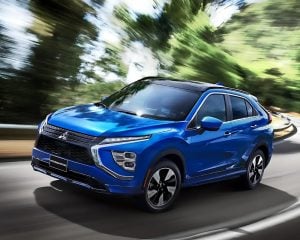
2025 Blue Mitsubishi Eclipse Cross
The Origin and Philosophy of Dynamic Shield
A Design Language With Purpose
The Dynamic Shield design philosophy represents the Mitsubishi visual expression of two fundamental values: protection and performance. This distinctive front-end architecture made its debut on production vehicles with the 2015 Outlander but has been refined and enhanced for the Eclipse Cross, where it achieves perhaps its most distinctive implementation.
At its core, Dynamic Shield communicates strength and security while simultaneously expressing dynamic performance capabilities. The design is not merely aesthetic but also functional—serving to instantly identify Mitsubishi vehicles while reinforcing their underlying engineering principles.
The central concept behind Dynamic Shield draws inspiration from the protective bars that shielded the engine and passengers in the early SUVs. This heritage of protection has been reimagined in a contemporary form that balances aggression with sophistication.
Design Evolution for the Eclipse Cross
When applied to the Eclipse Cross, the Dynamic Shield concept takes on a particularly bold and refined character. The 2022 redesign represents the most significant evolution of this design language, featuring sharper lines, more pronounced three-dimensional elements, and an enhanced integration with the vehicle's overall silhouette.
The Eclipse Cross implementation of Dynamic Shield creates a more cohesive front-end appearance than in previous applications, with improved proportions and a stronger visual identity. The design team focused on creating a sense of width and stability while maintaining the distinctive character that sets Mitsubishi vehicles apart in the crowded crossover segment.
Key Elements of the Dynamic Shield Design
The Central Shield Structure
The most recognizable element of the Dynamic Shield design is the central black area that forms the core of the front fascia. This black shield-shaped section runs from the hood down to the lower bumper, creating a strong vertical element that anchors the entire design.
In the Eclipse Cross, this central shield is framed by substantial chrome-accented elements that sweep upward and outward from the center, creating a distinctive X-shaped structure when viewed head-on. This arrangement serves both functional and aesthetic purposes:
- It visually reinforces the protective nature of the vehicle's front end
- It creates a striking, instantly recognizable face for the model
- It houses and integrates the vehicle's forward-facing sensing technologies
- It directs airflow around and through the front end for improved aerodynamics
The central black area also serves as a visual connector between the upper and lower grilles, creating a unified appearance rather than the disconnected grille arrangements seen in many competitor vehicles.
Integrated Lighting Elements
The Dynamic Shield design in the Eclipse Cross incorporates a sophisticated lighting arrangement that plays a crucial role in establishing the vehicle's visual identity. The slim, high-mounted LED daytime running lights sit at the upper edges of the shield structure, while the main headlights are positioned lower in the fascia.
This split lighting arrangement serves several purposes:
- It creates a unique nighttime signature that makes the Eclipse Cross instantly identifiable
- It allows for optimal placement of lighting elements for maximum effectiveness
- It contributes to the shield's distinctive X-shaped framework
- It visually widens the appearance of the front end, enhancing the vehicle's road presence
The 2022 redesign refined these lighting elements further, with more sophisticated LED arrangements and improved integration with the surrounding shield structure. The result is a more technical, premium appearance that elevates the perceived quality of the Eclipse Cross.
Three-Dimensional Surfacing
A defining characteristic of the Dynamic Shield approach in the Eclipse Cross is its emphasis on three-dimensional surfacing and depth. Rather than employing flat panels with applied decorative elements, the design creates multiple layers and surface transitions that catch light in complex ways.
The front fascia features several planes that intersect at precise angles, creating highlights and shadows that enhance the vehicle's visual interest. Chrome accents are strategically placed at these intersections to amplify the three-dimensional effect and draw attention to key character lines.
This approach to surfacing gives the Eclipse Cross a more premium, sculpted appearance than would be possible with simpler panel arrangements. It also creates a more substantial, solid impression that reinforces the protective aspect of the Dynamic Shield concept.
Functional Aspects of Dynamic Shield
Aerodynamic Performance
While primarily recognized as a design signature, the Dynamic Shield configuration delivers meaningful aerodynamic benefits. The shape of the front end manages airflow around and through the vehicle, reducing drag and improving stability.
The central shield structure channels air to critical cooling components while directing the main airstream around the vehicle's sides. The chrome accent elements are not merely decorative—their specific angles help manage airflow separation points, reducing turbulence.
For the Eclipse Cross, these aerodynamic considerations contribute to improved fuel efficiency and reduced wind noise at highway speeds. The design team balanced these functional requirements with aesthetic goals to create a front-end design that performs as good as it looks.
Safety Integration
The Dynamic Shield design intelligently incorporates the various sensors and cameras required for modern driver assistance systems. The central black area provides an ideal location for radar sensors and front-facing cameras, enabling optimal positioning without compromising design integrity.
In the Eclipse Cross, the Dynamic Shield accommodates technologies such as:
- Forward collision mitigation
- Adaptive cruise control
- Lane departure warning
- Automatic high beam control
By designing these safety systems into the shield from the outset, rather than adding them as afterthoughts, Mitsubishi has created a more cohesive and sophisticated front-end appearance while enhancing the vehicle's protective capabilities.
Dynamic Shield as Brand Identity
Visual Recognition and Brand Continuity
The Dynamic Shield design serves as a powerful visual shorthand for Mitsubishi vehicles, creating instant brand recognition even from a distance. This consistent design language helps strengthen the Mitsubishi market position by establishing a clear family resemblance across its model lineup.
For the Eclipse Cross, the Dynamic Shield creates a visual connection to other Mitsubishi models while establishing its own distinct character. This balance between shared identity and individual expression is a critical aspect of successful automotive design, enabling each model to appeal to its specific target market while leveraging the broader brand equity.
The implementation of Dynamic Shield across the Mitsubishi range creates a sense of continuity and progression, with each new model refining and advancing the design language. The Eclipse Cross represents one of the most sophisticated expressions of this philosophy, showcasing how the basic concept can evolve and enhance over time.
Cultural and Design Influences
The Dynamic Shield concept draws inspiration from diverse sources, including:
- The protective stance of traditional samurai armour
- The facial structure of predatory animals, with their protective central area and powerful side elements
- The technical appearance of modern sports equipment and protective gear
- The heritage of the earlier Mitsubishi SUVs and their functional protection bars
These influences combine to create a design language that communicates strength, technology, and performance—qualities that align perfectly with the Eclipse Cross positioning as a stylish yet capable crossover.
Evolution of the Dynamic Shield in the Eclipse Cross
Initial Implementation
When the Eclipse Cross was first introduced, its Dynamic Shield implementation represented a significant advancement in the design language. The original version featured:
- A more pronounced three-dimensional structure than previous applications
- More sophisticated integration of lighting elements
- Greater emphasis on the X-shaped framework that defines the shield
- Stronger differentiation between the upper and lower portions of the fascia
This first iteration established the Eclipse Cross as one of the most distinctive models in the Mitsubishi lineup, with a bold interpretation of the family design language that helped the vehicle stand out in the crowded compact crossover segment.
2022 Redesign Enhancements
The 2022 model year brought a comprehensive redesign of the Eclipse Cross, including a significant evolution of its Dynamic Shield implementation. The updated design features:
- Sharper, more precisely defined edges for the shield elements
- Refined chrome accents with more sophisticated detailing
- Updated lighting arrangements with enhanced LED technology
- Improved integration with the hood and fender surfaces
- A more substantial lower grille area that enhances the vehicle's planted appearance
These refinements represent a maturation of the Dynamic Shield concept, with greater attention to detail and more harmonious integration with the vehicle's overall design. The 2022 version achieves a more premium, sophisticated appearance while maintaining the bold character that defines the Eclipse Cross.
Customer Reception and Market Impact
The distinctive Dynamic Shield design of the Eclipse Cross has played a significant role in the model's market perception and customer appeal. The bold, technology-forward appearance helps the vehicle stand out in a segment often criticized for conservative styling and visual similarity.
Market research indicates that the Dynamic Shield design ranks among the top reasons for Eclipse Cross purchase consideration, with many customers citing its distinctive front-end appearance as a key differentiator from competitor vehicles. This visual distinctiveness helps Mitsubishi capture attention in a crowded marketplace where establishing a clear brand identity is increasingly challenging.
Industry design experts have noted the Eclipse Cross implementation of Dynamic Shield as one of the more successful examples of contemporary Japanese automotive design, balancing expressive elements with functional considerations in a cohesive overall composition.
Future Direction of Dynamic Shield
The Dynamic Shield concept continues to evolve across the Mitsubishi product line, with each new model and refresh providing an opportunity to refine and advance the design language. Future developments for the Eclipse Cross and other models will likely include:
- Further integration of advanced driver assistance technologies into the shield structure
- Enhanced lighting technologies that provide greater functionality and visual distinction
- Refinement of aerodynamic elements to improve efficiency and performance
- Evolution of the design language to accommodate forthcoming electrification technologies
As automotive design trends continue to evolve, the Dynamic Shield concept provides Mitsubishi with a flexible yet distinctive design framework that can adapt to changing requirements while maintaining brand continuity and recognition.
The Eclipse Cross stands as one of the purest expressions of this design philosophy, showcasing how a thoughtful approach to front-end design can enhance both the aesthetic appeal and functional performance of a contemporary crossover.
Five Facts About Dynamic Shield Design
- The design philosophy was first conceptualized in 2014, made its debut on the 2015 Outlander, and reached its most refined expression in the Eclipse Cross.
- The central black area represents the protective heritage of the early Mitsubishi SUVs, which featured protective bars around the engine compartment.
- The chrome elements in the design are specifically angled to direct airflow for improved aerodynamics, not just for aesthetic purposes.
- Each Eclipse Cross model year since its introduction has featured subtle refinements to the design, with the 2022 redesign marking the most significant evolution.
- The concept draws inspiration from both the protective stance of a samurai warrior and the anatomical structure of predatory animals, combining defensive and aggressive visual elements.
*Disclaimer: Content contained in this post is for informational purposes only and may include features and options from US or international models. Please contact the dealership for more information or to confirm vehicle, feature availability.*