
Your 2025 Vehicle First Scheduled Service: What to Expect
Your 2025 Vehicle First Scheduled Service: What to Expect
Posted on September 22, 2025
The first scheduled service for your new vehicle represents a crucial milestone in maintaining its performance, reliability, and warranty coverage. Modern vehicles have become increasingly sophisticated, with advanced engine management systems, complex electronics, and precisely calibrated components. This initial maintenance visit serves multiple purposes beyond simple fluid changes, acting as an opportunity for trained technicians to identify any early issues, update software, and establish a baseline for your vehicle’s long-term health.
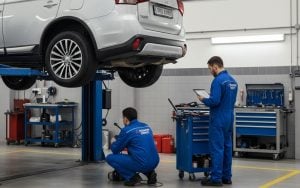
Mitsubishi Service
The Evolution of First Service Requirements
Modern Vehicle Technology Impact
The latest model year vehicles feature significantly more advanced technology than their predecessors from just a few years ago:
- Integrated electronics that require software validation and updates
- Complex emission systems with multiple sensors and control modules
- Advanced materials requiring specific maintenance procedures
- Adaptive learning systems that benefit from early calibration
- Precise component break-in specifications that need verification
These technological advancements have transformed what was once a simple oil change into a comprehensive systems check. Manufacturers now design specific first service protocols that address these sophisticated systems, often including electronic diagnostics that weren’t part of maintenance routines in previous generations.
Manufacturer-Specific Requirements
While general maintenance principles apply across brands, newer models have manufacturer-specific first service requirements:
- Toyota and Lexus models typically require their first scheduled service at 8,000 kilometers
- Honda and Acura vehicles generally schedule first maintenance at 12,000 kilometers
- Ford vehicles often follow a 16,000-kilometer or 12-month interval
- General Motors brands usually recommend first scheduled service at 12,000 kilometers
- Hyundai and Kia models generally follow a 6,000-kilometer first service schedule
These variations reflect differences in engineering philosophy, component design, and warranty requirements. Adhering to your specific vehicle’s recommended schedule is essential for maintaining warranty coverage and ensuring optimal performance.
Components Addressed in First Scheduled Service
Fluid Inspections and Replacements
The first scheduled service typically includes comprehensive fluid management:
- Engine oil and filter replacement with manufacturer-specified products
- Brake fluid level check and condition assessment
- Transmission fluid level verification (replacement typically not required)
- Coolant level inspection and concentration testing
- Windshield washer fluid top-up with seasonal formulation
Engine oil replacement represents the most critical fluid service, as initial break-in periods can introduce minute metal particles and contaminants into the oil. Modern synthetic oils specified for new models are designed to handle these break-in contaminants, but replacement at the recommended interval remains essential.
Filter Evaluations
Various filtration systems are inspected during the first scheduled service:
- Cabin air filter inspection (replacement typically not required yet)
- Engine air filter check for debris or premature clogging
- Fuel filter assessment (integral to fuel pump in most new models)
- Oil filter replacement with OEM-specified component
- Emission system filters verification, where applicable
These filtration systems protect critical components from contaminants. While most don’t require replacement during the first scheduled service (except the oil filter), technicians will inspect for any abnormal contamination that might indicate underlying issues.
Critical Safety Systems
Safety-related components receive particular attention:
- Brake pad and rotor measurement to establish wear baseline
- Tire rotation and pressure adjustment to ensure even wear
- Steering and suspension component inspection
- Exterior lighting function verification
- Safety restraint system electronic check
These inspections establish a baseline for the safety system's condition and identify any components that may exhibit premature wear or malfunction. For models with advanced driver assistance systems (ADAS), this often includes sensor alignment verification and calibration checks.
Electronic and Software Considerations
Control Module Updates
Modern vehicles require electronic attention during first scheduled service:
- Engine control module (ECM) software updates
- Transmission control module calibration verification
- Body control module firmware checks
- Infotainment system software updates
- ADAS module calibration validation
Manufacturers frequently release software updates during the initial months of a new model year to address minor issues discovered after mass production began. The first scheduled service provides an opportunity to implement these updates, often improving efficiency, drivability, and feature functionality.
Diagnostic System Checks
Comprehensive electronic health assessments include:
- Complete vehicle scan for diagnostic trouble codes
- Battery and charging system performance test
- Sensor calibration verification
- Actuator operation tests
- Communication network integrity check
These electronic diagnostics can identify potential issues before they become noticeable to the driver, allowing preventative maintenance rather than reactive repairs. For models with increasingly interconnected systems, these checks have become more important than ever.
Connected Services Verification
Vehicles with connectivity features require additional attention:
- Telematics system function verification
- Emergency call system testing
- Remote services activation confirmation
- Over-the-air update capability confirmation
- Mobile application connectivity check
These connected systems ensure your vehicle can receive future updates and maintain communication with emergency services when needed. Verifying proper function during the first service establishes a foundation for ongoing connectivity.
Preparation for Your First Service
Documentation and Information
Preparing properly for your first service visit enhances the experience:
- Maintenance booklet or digital service record
- Notes about any observed issues or concerns
- Vehicle identification number (VIN) and current odometer reading
- Contact information and communication preferences
- List of questions regarding vehicle operation or features
Service advisors use this information to create an accurate record and address any specific concerns during the maintenance visit. For models with digital service records, the system may automatically transmit the information to the dealership before your appointment.
Scheduling Considerations
Timing your first service appropriately involves several factors:
- Manufacturer-recommended mileage or time interval
- Seasonal considerations for appropriate fluid specifications
- Availability of qualified technicians for your specific model
- Allowance for potential same-day repairs if issues are found
- Transportation arrangements during service
Most new vehicles provide service reminders through the instrument cluster or connected smartphone applications, helping owners track the appropriate timing for this initial maintenance visit.
Service Center Selection
Choosing the right facility for your first service requires consideration:
- Dealership service departments with model-specific training
- Manufacturer certification for independent service centers
- Access to required electronic diagnostic equipment
- Availability of genuine parts and specified fluids
- Capability to perform software updates
For many new models, dealership service centers remain the optimal choice for first scheduled maintenance due to their access to manufacturer-specific tools, software, and training. Some independent facilities have invested in the necessary equipment and certification for specific brands.
Long-Term Benefits of Proper First Service
Warranty Protection
Adhering to scheduled maintenance requirements protects your investment:
- Documented service history for warranty claim support
- Verification of proper operation within warranty period
- Early identification of potential warranty-covered issues
- Manufacturer goodwill consideration for borderline situations
- Maintenance of emissions warranty compliance
Most new vehicles come with comprehensive warranty coverage that requires adherence to recommended maintenance schedules. Proper documentation of this first service establishes a foundation for warranty protection throughout the coverage period.
Performance Optimization
The first service contributes to optimal vehicle operation:
- Removal of manufacturing and break-in contaminants
- Verification of systems operating within specifications
- Correction of any calibration issues affecting efficiency
- Identification of driving habit impacts on vehicle systems
- Recommendations for optimal operation in your specific conditions
These adjustments and verifications help ensure your vehicle delivers the performance, efficiency, and driving experience it was designed to provide. Many owners report noticeable improvements in drivability after the first scheduled service.
Resale Value Preservation
Long-term value retention starts with the first service:
- Documented maintenance history for future buyers
- Prevention of wear issues that could reduce future value
- Establishment of proper care patterns for vehicle systems
- Digital service record entries in manufacturer databases
- Prevention of conditions that could lead to long-term damage
Complete maintenance records have a significant impact on resale value, with the first service establishing the foundation for this documentation. For models with digital service records accessible to future buyers, this documentation becomes even more important.
First Scheduled Service: An Investment in Long-Term Vehicle Health
The first scheduled service for your 20vehicle represents far more than a simple maintenance task—it’s a crucial investment in your vehicle’s long-term health, performance, and value. This initial service establishes the foundation for a proper maintenance history while addressing the unique needs of a vehicle completing its break-in period.
As vehicles become increasingly sophisticated, the importance of proper initial maintenance grows correspondingly. The complex interplay of mechanical components, electronic systems, and software requires proper verification and adjustment during these early kilometers of operation.
By understanding what to expect, how to prepare, and why this service matters, you position yourself as an informed owner invested in preserving your vehicle’s condition. The small investment of time and resources for this first scheduled service pays dividends through improved reliability, maintained warranty coverage, and optimal performance throughout your ownership experience.
Remember that while this guide provides general information applicable to most new models, your specific vehicle may have unique requirements outlined in your owner’s manual or maintenance guide. Always defer to manufacturer-specific recommendations for the most appropriate service protocol for your particular model.
5 Facts About 2025 the First Scheduled Service
- The electronic diagnostics performed during a first service typically analyze more than 500 individual parameters across dozens of vehicle systems, creating a comprehensive digital health snapshot.
- Many new vehicles utilize machine learning algorithms that adapt to your driving style; the first service often includes a reset of these learning parameters to eliminate any unusual patterns established during the break-in period.
- The specification for engine oil in most new models is so precise that using an incorrect formulation during the first oil change can affect fuel economy by up to 2-3% until the next service.
- First service protocols for hybrid and electric vehicles include specialized high-voltage system checks that require technicians with additional certification and training beyond traditional mechanic qualifications.
- Several manufacturers of new luxury vehicles include microscopic analysis of the initial engine oil change as part of their quality control process, examining metal particulates to verify proper engine break-in and identify any potential manufacturing issues.
Questions and Answers About 2025 First Scheduled Service
What happens if I miss or delay my vehicle’s first scheduled service?
- Missing or delaying this appointment can have several consequences. Most immediately, it may affect your warranty coverage, as manufacturers typically require adherence to maintenance schedules to maintain warranty protection. From a technical perspective, extended use of the initial oil beyond recommended intervals can allow break-in contaminants to circulate longer than intended, potentially causing accelerated wear. Additionally, you might miss important software updates or early warning signs of developing issues. While modern vehicles are designed with some tolerance for maintenance variation, consistently delaying service begins a pattern of accelerated wear that compounds over time. If you’ve missed the recommended interval, schedule service as soon as possible and be transparent with the service advisor about the actual mileage.
Are dealership services necessary for my first maintenance, or can I use an independent shop?
- Dealerships offer several significant advantages. They have the latest technical information, specialized tools, and direct access to manufacturer software updates that may not yet be available to independent shops. Their technicians receive model-specific training on your vehicle and can access technical support directly from the manufacturer. That said, qualified independent shops that specialize in your vehicle’s make and have invested in proper diagnostic equipment can perform basic maintenance adequately. The critical factors are whether they have access to the correct specifications, fluids, filters, and diagnostic capabilities for your specific model. If you choose an independent shop, verify that they use manufacturer-approved parts and fluids and can properly document the service to maintain your warranty protection.
How long does a typical first service appointment for a new model typically take?
- The duration typically ranges from 1.5 to 3 hours, depending on several factors. Basic services, such as oil changes and inspections, typically require about an hour of actual work time. However, additional time is needed for software updates, which can take 30-60 minutes to download and install. If the technician discovers issues requiring immediate attention, this can extend the appointment time. Luxury vehicles and those with advanced driver assistance systems often require more extensive checks and calibrations that extend the service duration. Most dealerships build some buffer time into their service scheduling to account for these variables. When scheduling your appointment, ask for an estimated completion time and inquire about the availability of a shuttle service or loaner vehicle if the service will require an extended wait.
What specific items should I request to be checked during my first service beyond the standard inspection?
- In addition to the standard inspection items, consider requesting several extra checks during your initial service. Ask technicians to verify the calibration of your advanced driver assistance systems (ADAS), as these can affect safety features like automatic emergency braking. Request a check of all weatherstripping and seals, as early identification of water leaks can prevent significant issues later. Have them verify the operation of climate control actuators, as these can sometimes bind or stick when new. For vehicles with panoramic sunroofs, ask for inspection of the drain tubes, which can sometimes become misaligned during manufacturing. If you’ve noticed any unusual sounds, vibrations, or operation characteristics, be specific about when they occur so technicians can focus on replicating these conditions during their evaluation.
Will my infotainment and technology features be updated during the first scheduled service?
- Yes, software updates are typically a standard part of the appointment for new models. Manufacturers regularly release updates during the first year of production to improve system stability, add features, and address any bugs discovered after the initial release. These updates can enhance everything from touchscreen responsiveness to voice recognition accuracy and smartphone integration. The service department will connect your vehicle to their factory diagnostic system, which automatically checks for available updates across all modules. Some updates may be noticeable immediately, like interface changes, while others work behind the scenes to improve system reliability. If you’ve experienced any technology-related issues, be sure to mention them specifically so the technician can verify whether the updates address your concerns.
Learn More About Mitsubishi Service at Scarborough Mitsubishi